Standalone workflow
Use Renoise’s available models through a standalone Renoise account.
OpenAI's API is the direct route to Sora 2; Renoise offers 20 models without a ChatGPT subscription.
For teams that want an AI-video workflow without tying every project to ChatGPT.
Use Renoise’s available models through a standalone Renoise account.
Choose Seedance 2.5, Seedance 2.0, or Kling 3.0 Omni by requirement.
Carry references and outputs from one shot into the next on Canvas.
Generate through Renoise Agent or official Claude Code, Codex, and OpenClaw plugins.
Verified against renoise.ai, openai.com, and platform.openai.com on August 25, 2026.
Official sources checked August 25, 2026.
| Comparison point | Renoise (Recommended) | Sora 2 |
|---|---|---|
| Native video resolution | Native 4K, 3840x2160, on Seedance 2.0 standard | 1080p on sora-2-pro; 720p on sora-2; no 4K tier |
| Longest single clip | 30 seconds on Seedance 2.5 | 4, 8, or 12 seconds per request in the current Videos API schema |
| API availability | Current, with a public openapi.json | Retires September 24, 2026, with no replacement listed |
| Editor and CLI access | Plugins for Claude Code, Codex and OpenClaw, plus MCP | OpenAI CLI and SDKs; no documented Sora-specific IDE plugin or MCP server |
| Batch generation | No batch tier; every generation runs at the standard rate | An asynchronous batch tier at half the standard rate |
Add a reference, write your prompt, pick a model — no ChatGPT subscription needed.
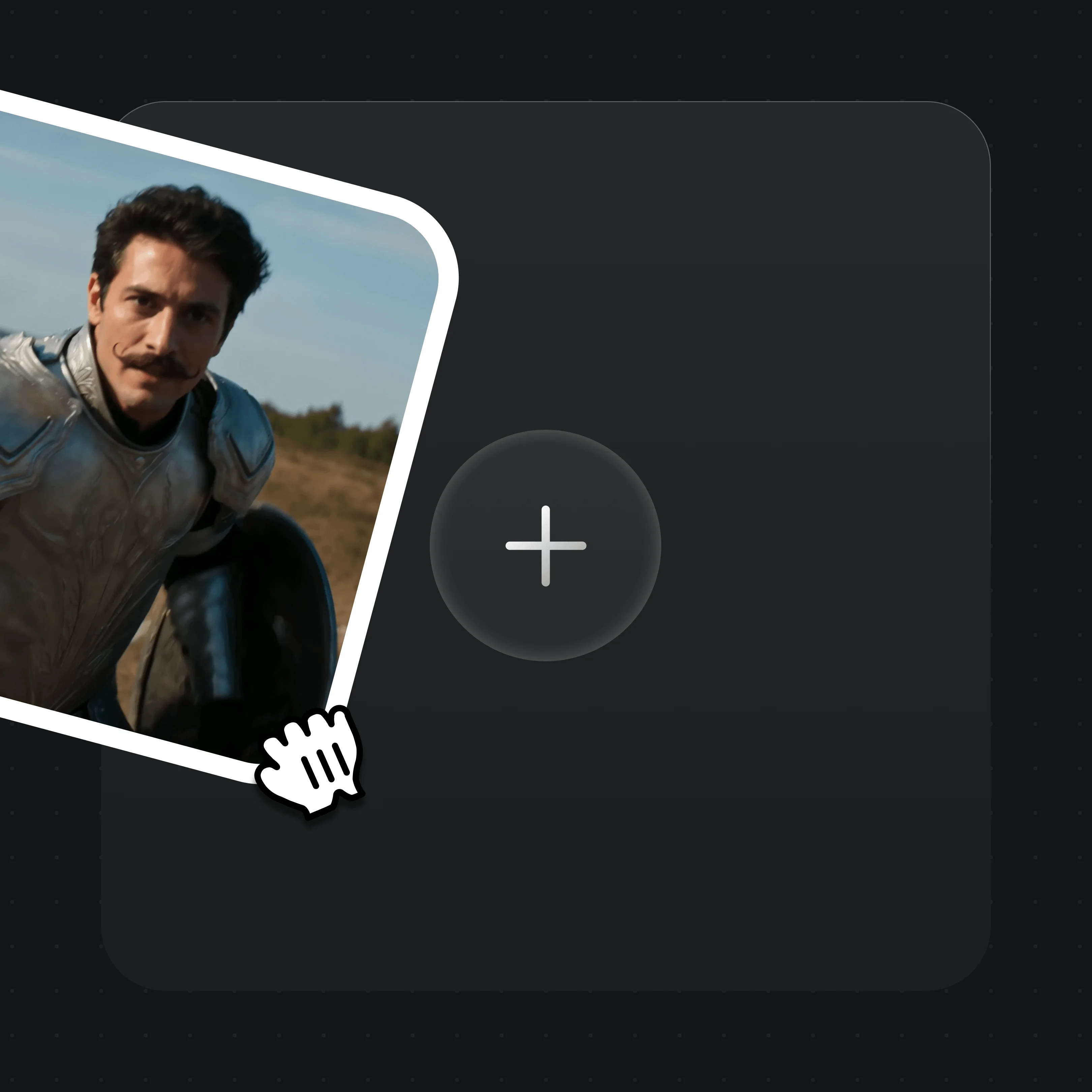
Drop references or keyframes into the upload card to anchor your clip.
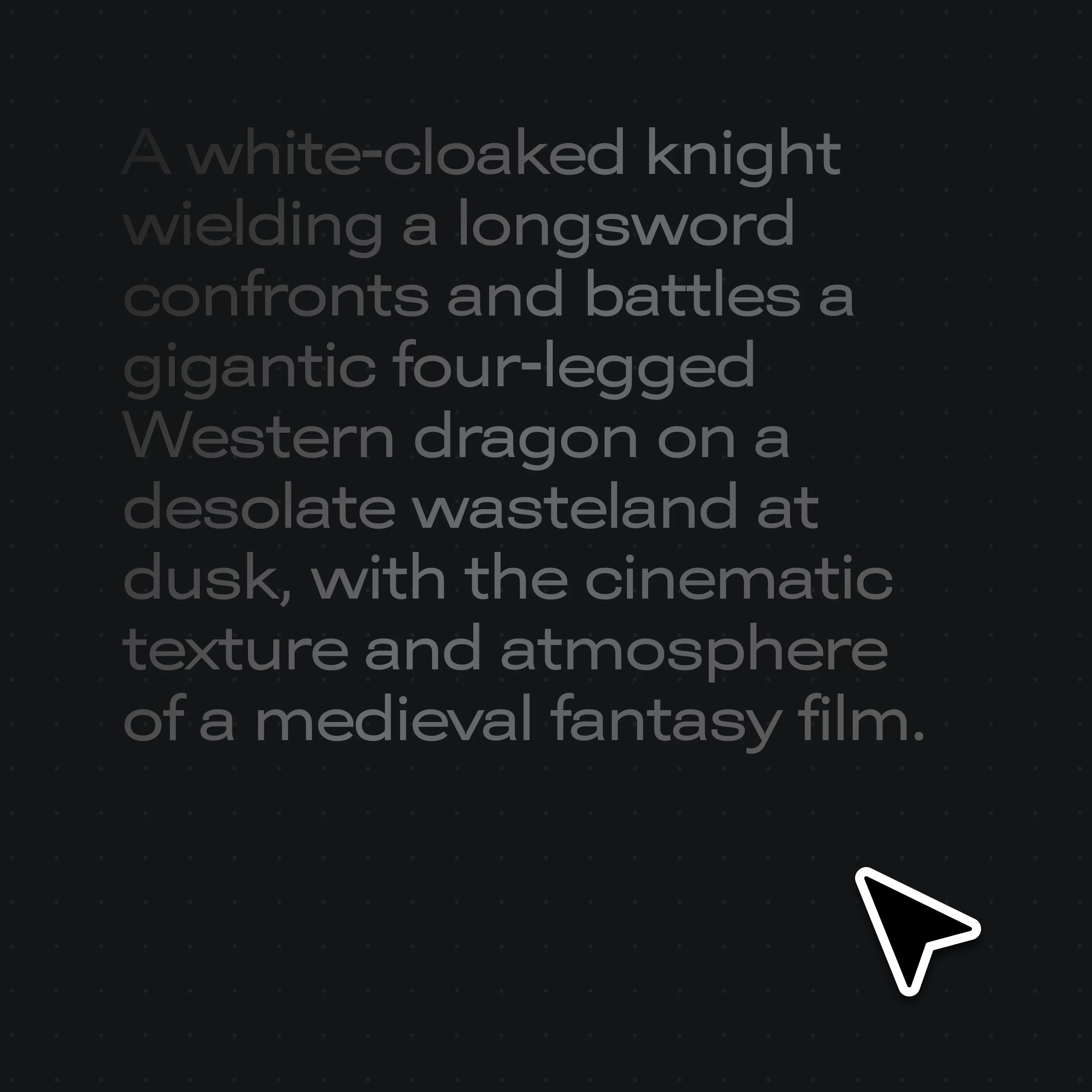
Sora prompts port over — Seedance 2.5 reads the same cinematic vocabulary.
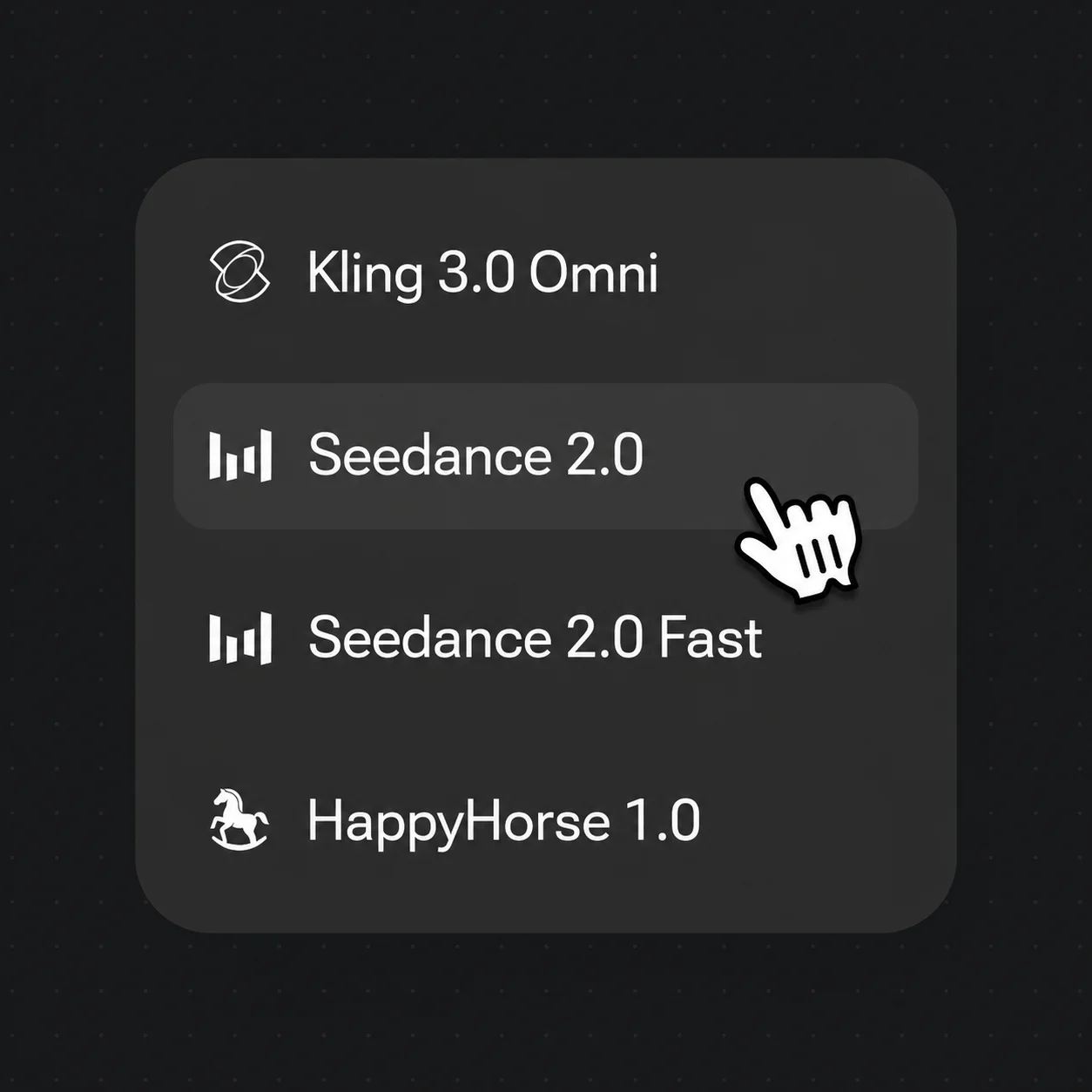
Choose Seedance 2.5, Seedance 2.0 or Kling 3.0 Omni from the model selector and generate.
Real Renoise outputs spanning drama, comedy, and adventure.
A quiet, character-driven narrative moment with real emotional weight.
A comedic everyday moment with timing and physical gags.
A high-energy prehistoric chase rendered from a prompt.
A consistent character carried through a hero transformation.
Compare Renoise as a multi-model video workflow alternative to Sora.
For first-time AI content creators
Billed $168 annually
Upgrade PlanSave $72/year
For creators shipping content every week.
Billed $504 annually
Upgrade PlanSave $216/year
For studios and pros producing at commercial scale.
Billed $1680 annually
Upgrade PlanSave $720/year
For first-time AI content creators
Billed monthly
Upgrade PlanFor creators shipping content every week.
Billed monthly
Upgrade PlanFor studios and pros producing at commercial scale.
Billed monthly
Upgrade PlanRenews automatically each year until canceled.
Renews automatically each month until canceled.
No. Renoise is a standalone product at renoise.ai with no dependency on OpenAI or ChatGPT. Paid plans start at $20/mo for 1,200 credits, so Renoise runs without any other AI subscription.
No. Renoise integrates ByteDance's Seedance 2.5 and 2.0 plus Kuaishou's Kling 3.0 Omni for video, plus Google's Nano Banana 2/Pro, OpenAI's GPT Image 2, and Midjourney V7 for images. These are the underlying models; Renoise provides the workspace, automatic safeguards for authorized real-face references, and the distribution surface.
Renoise produces clips of 4 to 30 seconds on Seedance 2.5, 4 to 15 seconds on Seedance 2.0, and 3 to 15 seconds on Kling 3.0 Omni. OpenAI's Videos API generates 16- and 20-second clips. Generated video clips can be edited and trimmed directly in Renoise.
Renoise reaches native 4K on Seedance 2.0 standard, billed at 100 credits per second. Seedance 2.5 reaches up to 1080p and Kling 3.0 Omni runs 720p or 1080p. OpenAI's Videos API goes no higher than 1080p — 720p on sora-2 and 1080p on sora-2-pro, with no 4K tier anywhere in the line. Image models Nano Banana 2, Nano Banana Pro and GPT Image 2 also reach 4K.
Yes — Renoise publishes plugins for Claude Code, Codex, and OpenClaw. There's also a public MCP manifest at /.well-known/mcp/manifest.json. You chat in natural language; the plugin handles prompt construction and result polling.
Reference an image in your prompt to carry a character, subject, or product across shots — a model-layer capability most integrated models support. For real human faces, use references only with likeness authorization. Renoise applies safeguards automatically; public figures, celebrities and minors are not supported.
Sora 2 is a genuinely strong model: OpenAI highlights accurate physics, sharp realism, synchronized dialogue and sound effects, multi-shot controllability, and 16- and 20-second generations. For teams that want that single model and can build against an API, Sora 2 is an excellent choice — though note OpenAI discontinued the standalone Sora app on April 26, 2026 and plans to shut down the Videos API on September 24, 2026. Renoise trades single-model simplicity for multi-model choice, workflow tooling, and a standalone product you do not have to wire up yourself.
Generate your first clip from inside your editor — no ChatGPT subscription required.