Gemini inside a project
Use Gemini Omni Flash alongside the rest of a multi-model campaign.
Gemini Omni can stay in Google's native stack—or work beside 19 other models in Renoise Canvas.
Keep Gemini Omni Flash for synchronized audio, with more ways to plan, revise, and deliver.
Use Gemini Omni Flash alongside the rest of a multi-model campaign.
Edit an exact three-second source clip when that Gemini workflow fits the shot.
Switch models when a shot needs different duration, resolution, or reference limits.
Keep source media and generated variations linked together on Canvas.
Verified against renoise.ai, cloud.google.com, and ai.google.dev on August 25, 2026.
Official sources checked August 25, 2026.
| Comparison point | Renoise (Recommended) | Gemini Omni |
|---|---|---|
| API billing | 20 credits for a follow · Starter $20/mo · 1,200 credits | Usage-based Google Cloud API |
| Video cost | Omni Flash 720p + audio · $0.13/s | 720p + audio · about $0.10/s |
| Product type | 20 models · Canvas · Agent · API · plugins | Google multimodal model API |
| Best for | One balance across multiple models | Direct Google Cloud integration |
Keep the creative brief, then choose the Renoise model and settings that match the output you need.
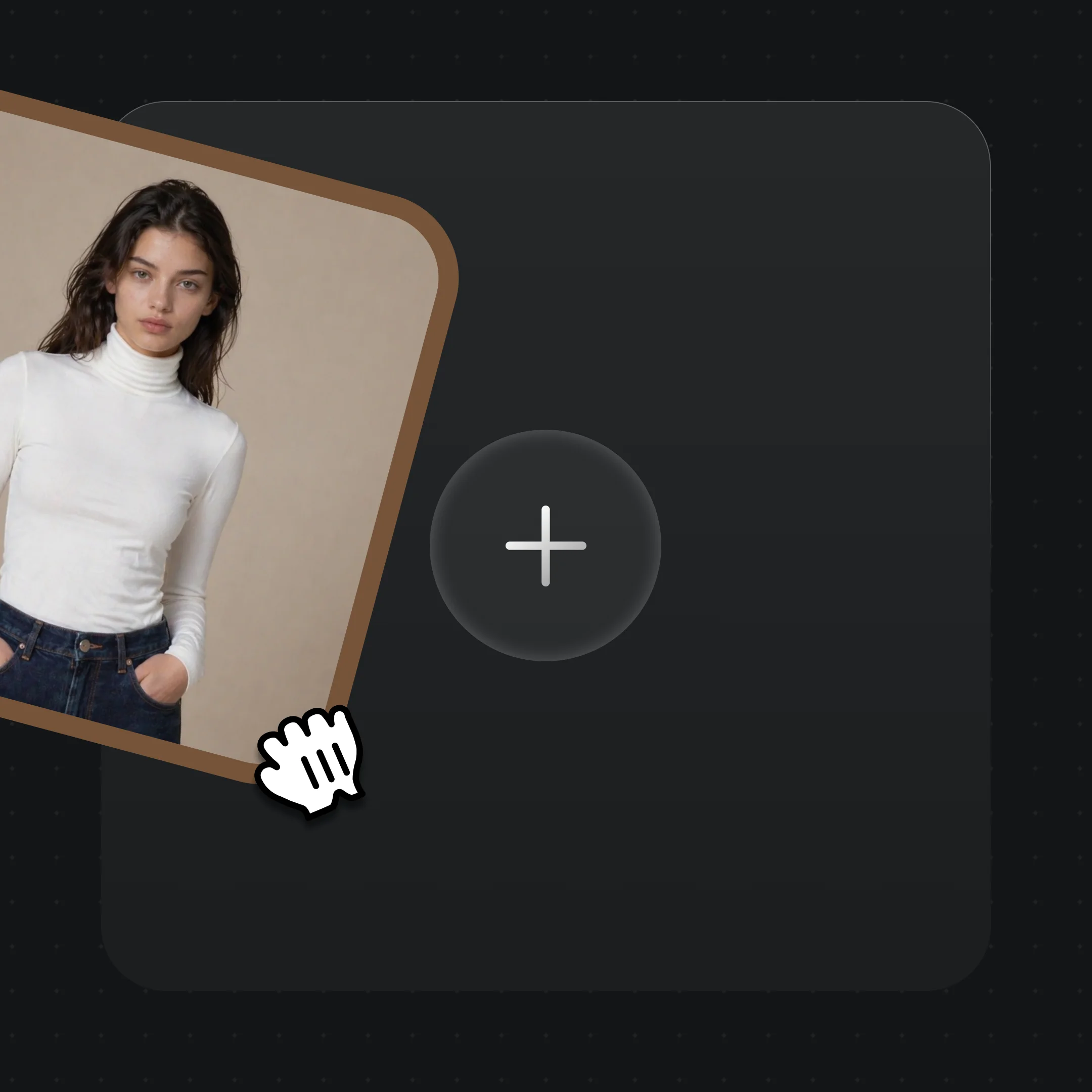
Upload the character, product, first frame, last frame, video, or audio references supported by your chosen model.
Write the shot, image, motion, framing, and audio requirements in plain language.
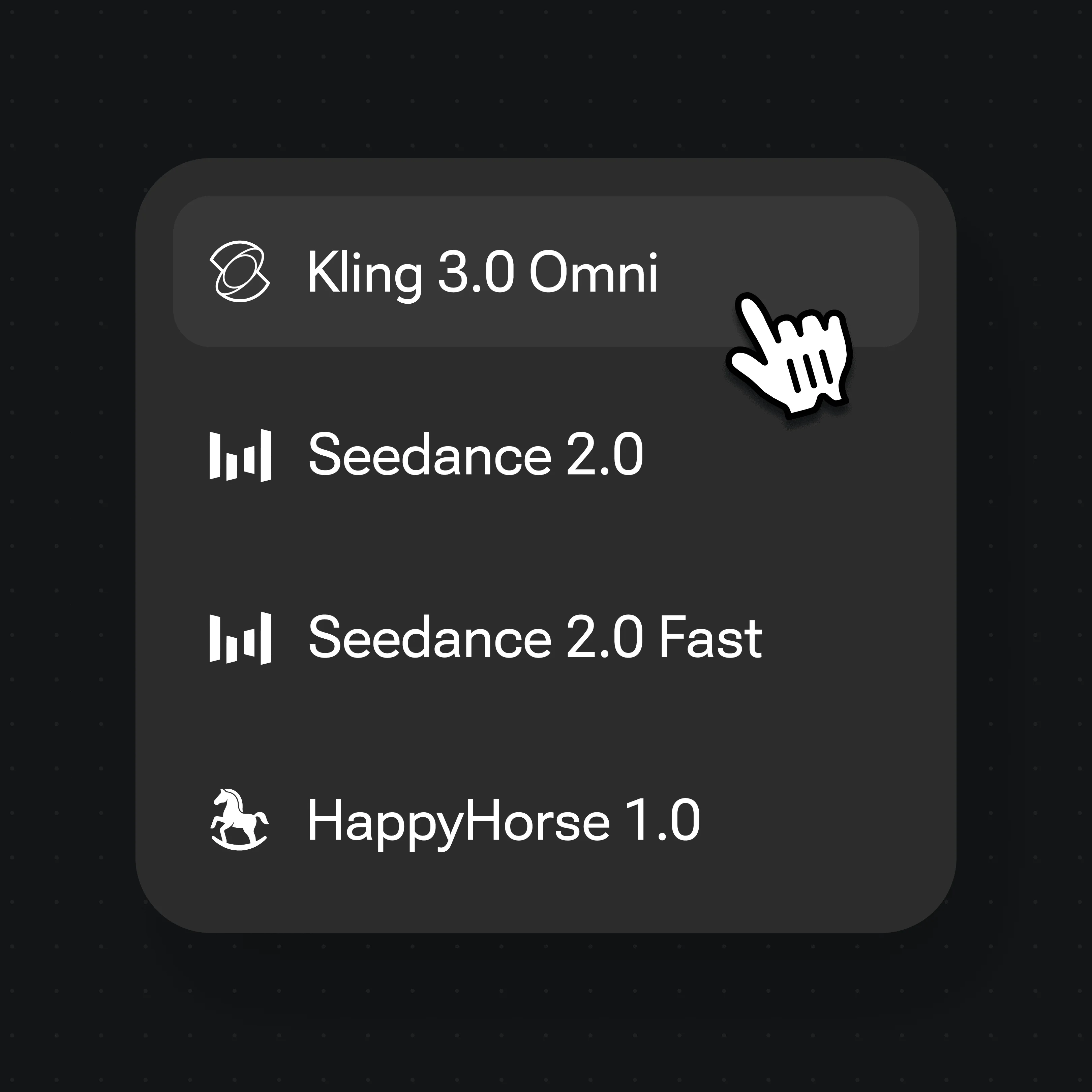
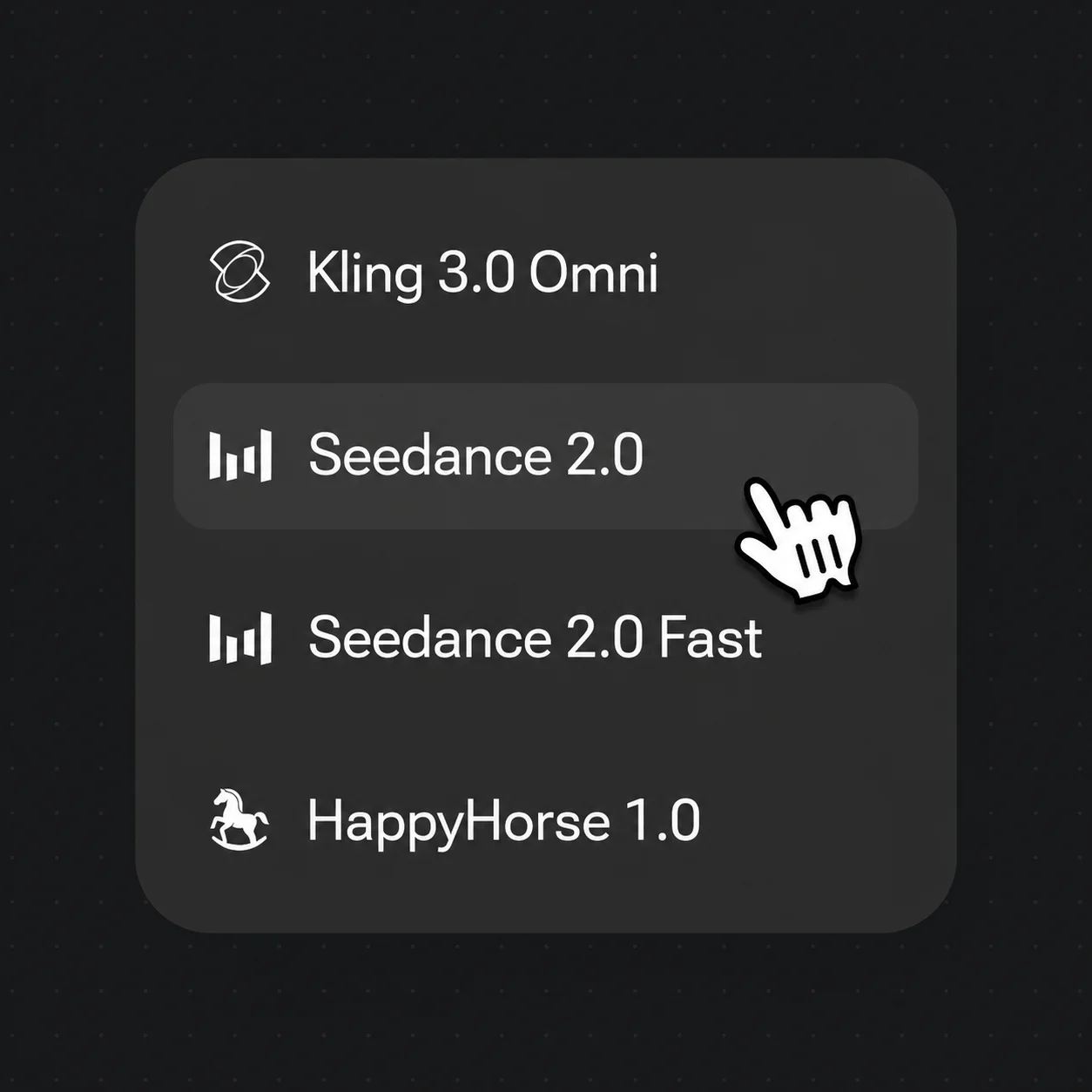
Choose a model and quality level, review the credit estimate, and then submit the generation.
Real Renoise outputs across multiple SOTA video models — one Canvas.
A space-battle cockpit sequence rendered from a single prompt.
A city travel montage with motion-aware cuts.

Four cinematic character roles rendered in a consistent style.
A cosmic butterfly with smooth, physics-aware movement.
Compare current Renoise plans before choosing a multimodal video workflow.
For first-time AI content creators
Billed $168 annually
Upgrade PlanSave $72/year
For creators shipping content every week.
Billed $504 annually
Upgrade PlanSave $216/year
For studios and pros producing at commercial scale.
Billed $1680 annually
Upgrade PlanSave $720/year
For first-time AI content creators
Billed monthly
Upgrade PlanFor creators shipping content every week.
Billed monthly
Upgrade PlanFor studios and pros producing at commercial scale.
Billed monthly
Upgrade PlanRenews automatically each year until canceled.
Renews automatically each month until canceled.
Yes, as a workflow alternative. Gemini Omni is Google's multimodal video model family; the API is a model service rather than a full Renoise-style workspace. Renoise instead combines 20 curated video, image, and audio models with Canvas, Agent, API, MCP, and official Renoise agent plugins. The products are not identical.
Google Cloud API is usage-based; consumer access depends on the relevant Google product or plan. 720p video with audio: 5,792 tokens/s × $17.50 per 1M video tokens = $0.1014/s. These figures use the stated billing scope and should not be treated as a platform-wide price.
Gemini Omni is a better fit when you want Google's direct Cloud API, Google ecosystem access, or token-based integration without an additional creative workspace. Renoise is a better fit when the multi-model workspace matters more.
Renoise includes Gemini Omni Flash, but not the full Gemini Omni product, account, or subscription. Access in Renoise is billed with Renoise credits.
Yes. Seedance 2.0 standard supports native 4K at 100 credits per second. Seedance 2.5 tops out at 1080p. Renoise also offers fixed-cost Upscale Video to 4K; upscaling is not the same as native 4K generation.
Yes. Follow us on X and YouTube and 20 credits land on your account immediately — you can generate with them without subscribing.
Open the Canvas and generate with Seedance 2.0, Kling 3.0 Omni, and more from one prompt.