Image-to-video handoff
Create key art with Seedream or GPT Image 2, then animate it with Seedance.
Moving beyond Dreamina's CapCut workflow, Renoise adds a 20-model Canvas and non-expiring credits.
Keep image-to-video creation, then add cross-model planning and delivery tools around it.
Create key art with Seedream or GPT Image 2, then animate it with Seedance.
Link references, outputs, and follow-up shots on the desktop Canvas.
Renoise Agent turns a plain-language brief into reviewable generation tasks.
Keep character and product references available across later shots and model changes.
Verified against renoise.ai and dreamina.capcut.com on August 25, 2026.
Official sources checked August 25, 2026.
| Comparison point | Renoise (Recommended) | Dreamina |
|---|---|---|
| Entry price | 20 credits for a follow · Starter $20/mo · 1,200 credits | Daily credits · promo Standard from $5/mo · regional pricing |
| Price comparison | Seedance 2.0 family · from $0.05/s | $0.046–$0.083/s promo · $0.055–$0.065/s annual |
| Creative scope | 20 models · Canvas · Agent · API · plugins | CapCut image-and-video suite |
| Best for | One balance across multiple models | CapCut templates and social effects |
Keep the creative brief, then choose the Renoise model and settings that match the output you need.
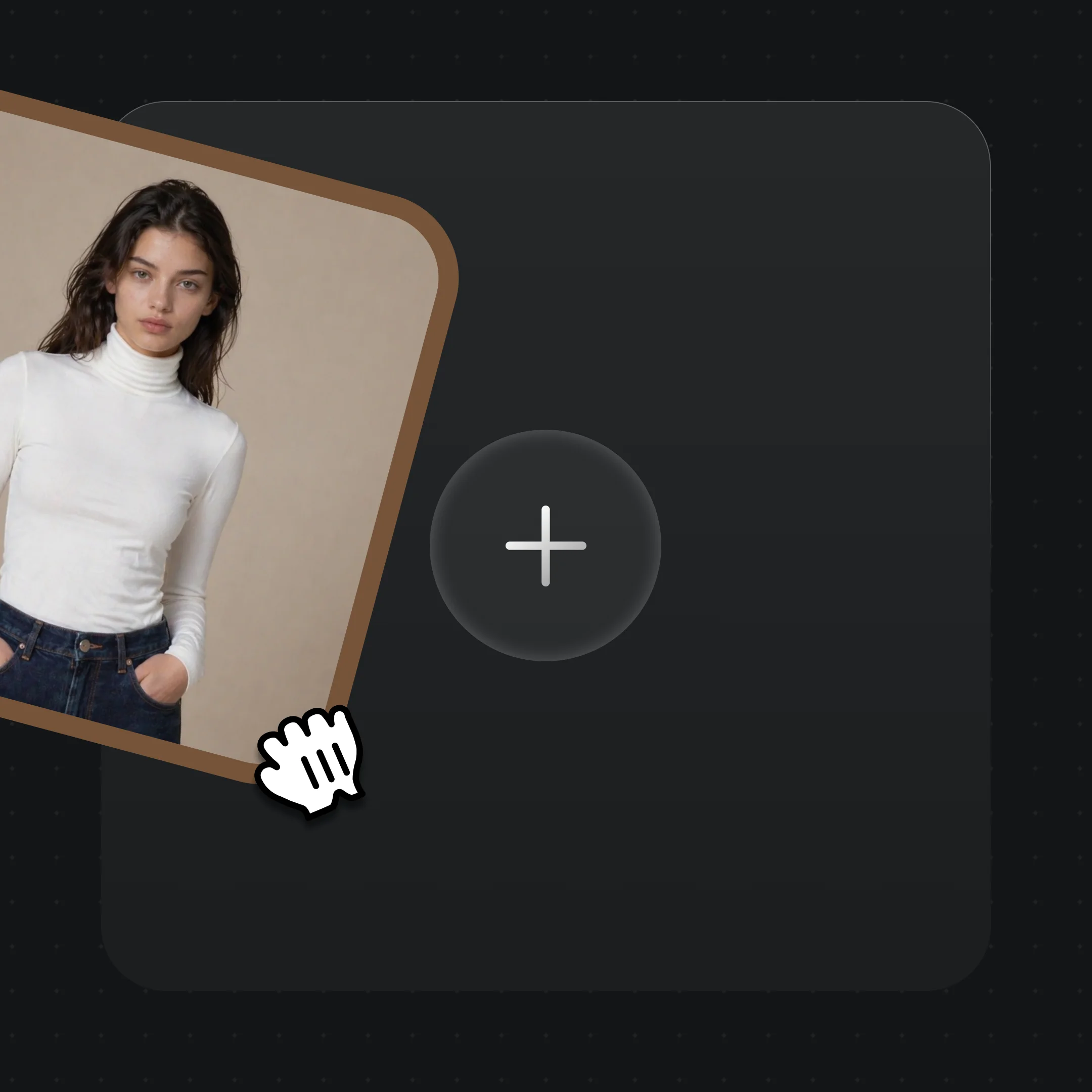
Upload the character, product, first frame, last frame, video, or audio references supported by your chosen model.
Write the shot, image, motion, framing, and audio requirements in plain language.
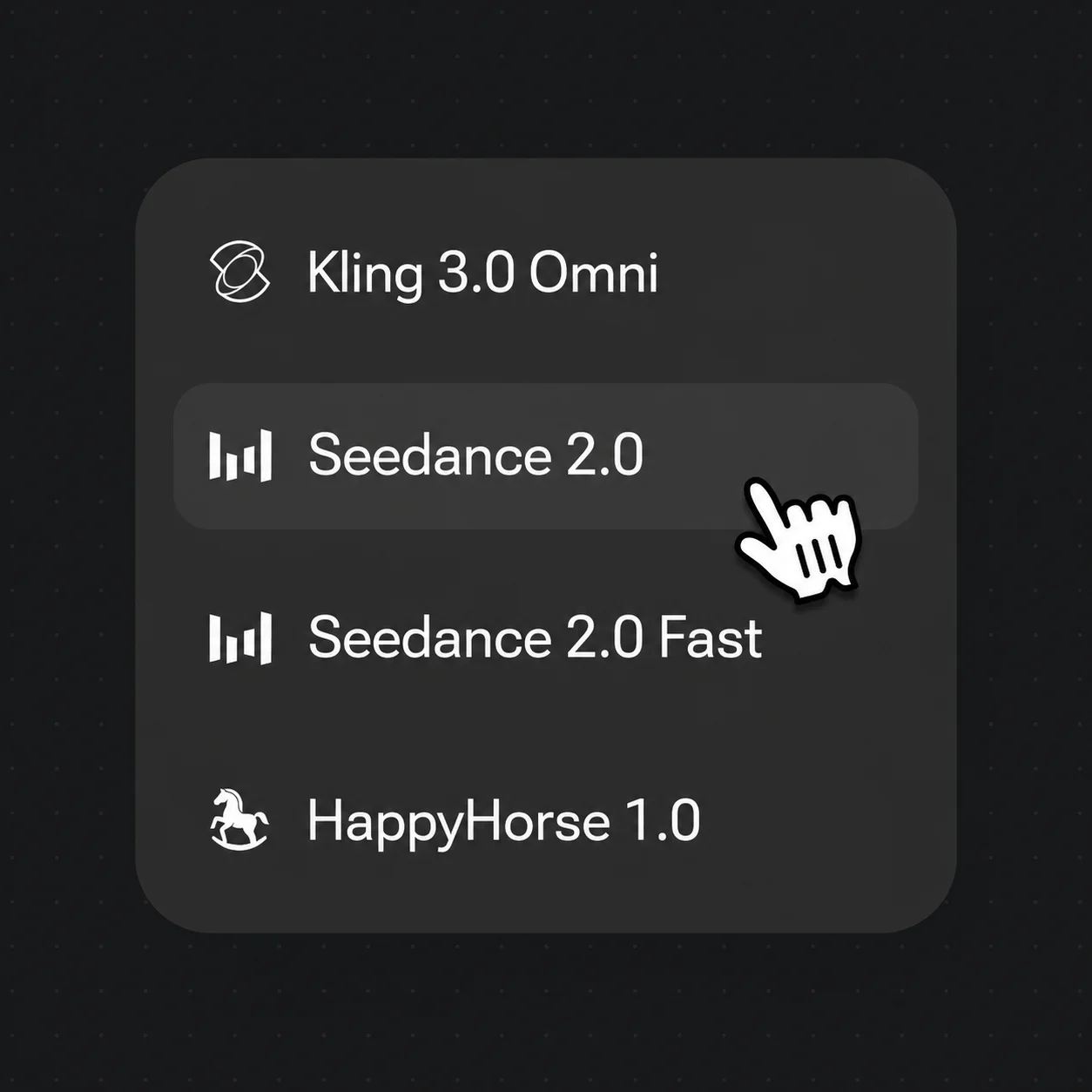
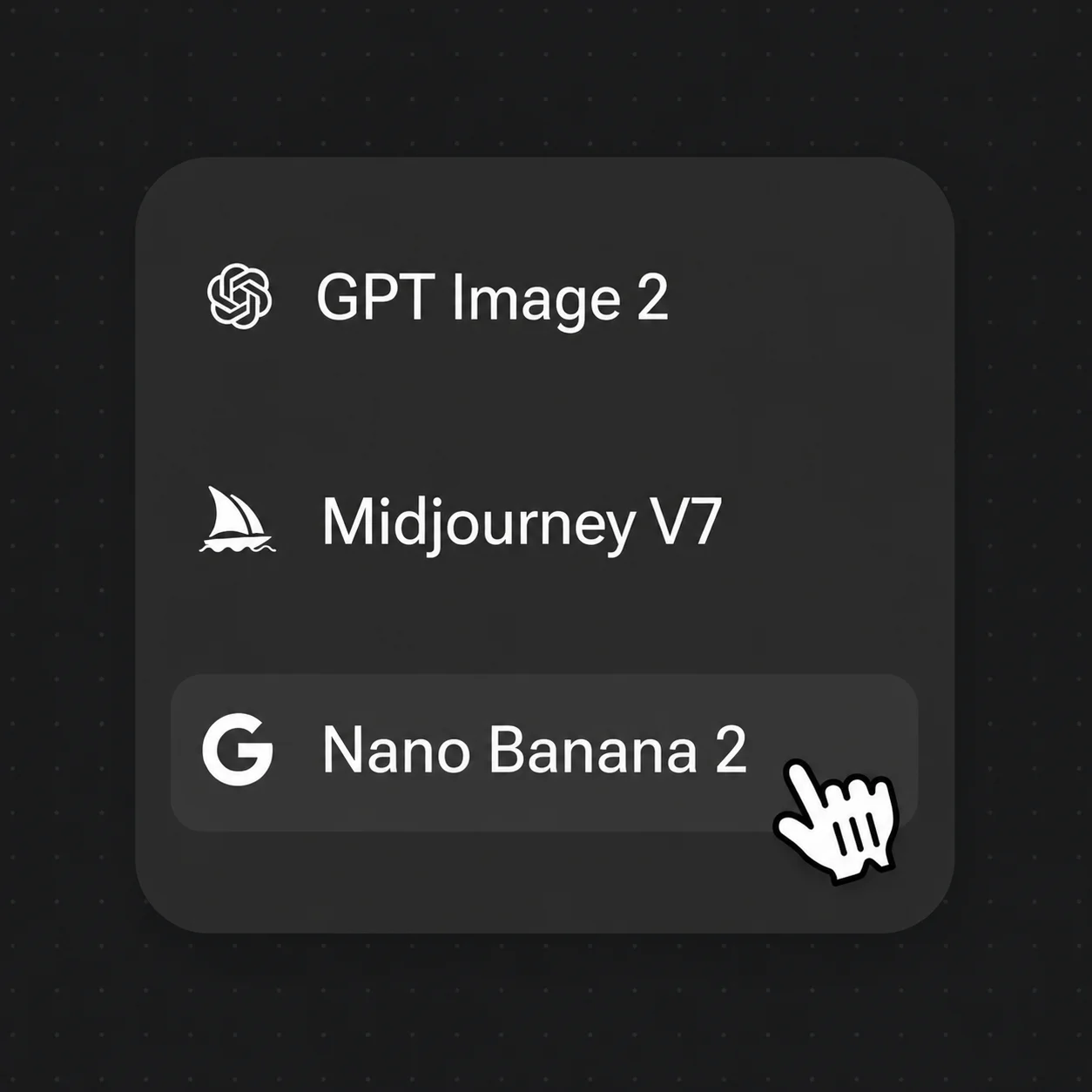
Choose a model and quality level, review the credit estimate, and then submit the generation.
Real Renoise outputs across image and video — one Canvas.

Four cinematic character roles rendered in a consistent style.
A woman-to-cat transition holding the subject across the morph.
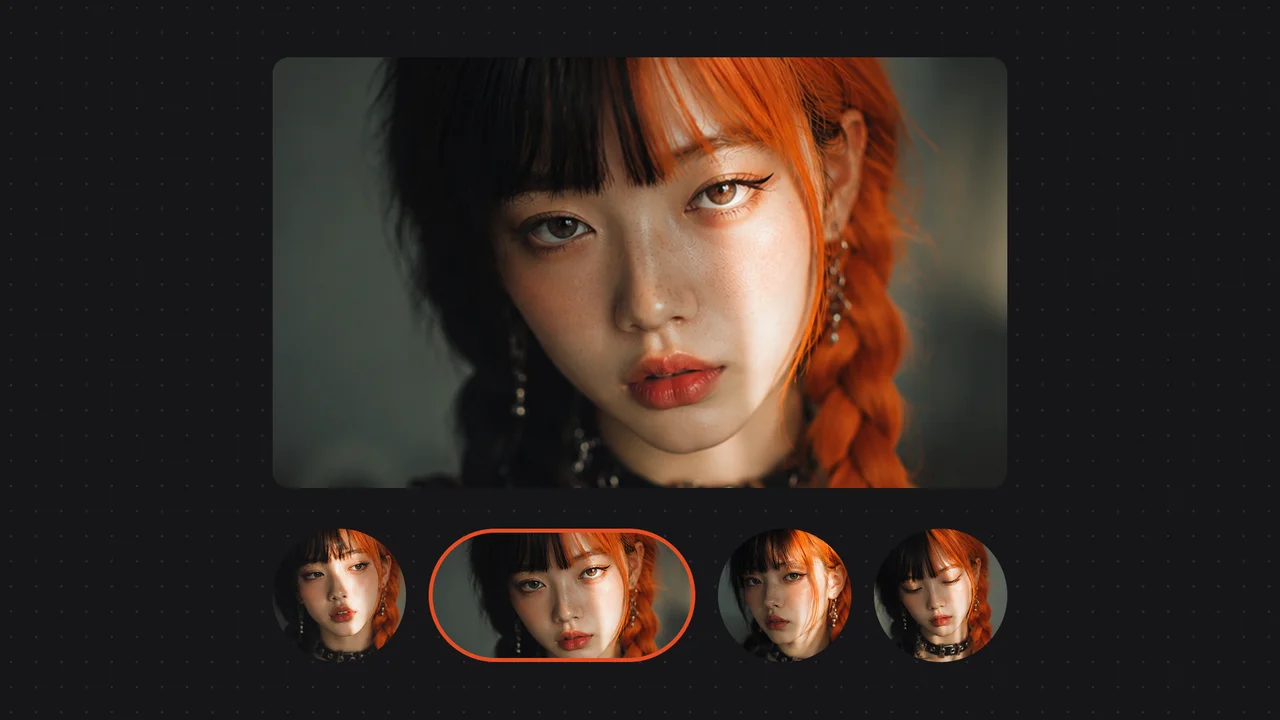
Four portrait variations from one prompt with consistent identity.

An AI poster grid with rendered text and layout.
Compare current Renoise plans across every model and creative surface.
For first-time AI content creators
Billed $168 annually
Upgrade PlanSave $72/year
For creators shipping content every week.
Billed $504 annually
Upgrade PlanSave $216/year
For studios and pros producing at commercial scale.
Billed $1680 annually
Upgrade PlanSave $720/year
For first-time AI content creators
Billed monthly
Upgrade PlanFor creators shipping content every week.
Billed monthly
Upgrade PlanFor studios and pros producing at commercial scale.
Billed monthly
Upgrade PlanRenews automatically each year until canceled.
Renews automatically each month until canceled.
Yes, as a workflow alternative. Dreamina is a consumer image-and-video creation product in the CapCut ecosystem. Renoise instead combines 20 curated video, image, and audio models with Canvas, Agent, API, MCP, and official Renoise agent plugins. The products are not identical.
Free access includes daily bonus credits. Dreamina's official Seedance 2.0 guide lists a first-promo Standard plan from $5/month; regional checkout prices differ. Official Seedance 2.0 guide: $0.046–$0.083/s on monthly promotional plans or $0.055–$0.065/s on annual plans, depending on tier. These figures use the stated billing scope and should not be treated as a platform-wide price.
Dreamina is a better fit when you want ByteDance's consumer image-and-video suite, daily bonus credits, CapCut connectivity, templates, or social-first effects. Renoise is a better fit when the multi-model workspace matters more.
Renoise includes Seedance 2.0, but not the full Dreamina product, account, or subscription. Access in Renoise is billed with Renoise credits.
Yes. Seedance 2.0 standard supports native 4K at 100 credits per second. Seedance 2.5 tops out at 1080p. Renoise also offers fixed-cost Upscale Video to 4K; upscaling is not the same as native 4K generation.
Yes. Follow us on X and YouTube and 20 credits land on your account immediately — you can generate with them without subscribing.
Open the Canvas and generate with Nano Banana Pro, GPT Image 2, Seedance 2.0, and more from one prompt.