Gentle kiss
Two people lean in and share a brief, soft kiss — the default 4-second clip.
Upload one photo of the two of them — or a portrait of each — and get a 4-second kissing clip. Your first video is free after signup; it runs at 480p and takes about two minutes.
Sign up and get 20 free credits — about 1 video
For photos of yourself or people who agreed to appear.
Real output, playing on loop. Sound comes with the clip.
The AI kissing video generator above takes a photo of the two people — or one portrait each if you do not have a photo together. In about two minutes you get back a 4-second clip of them leaning in and kissing, with sound. New accounts get 20 free credits and a clip here costs 20 at list price, so your first video is free; after that each clip is billed per generation. If a generation fails, the credits come straight back.
Want one face to talk instead of two to kiss? See the talking photo guide
No face registration and no app install — one upload, one button.
One picture with both people in it keeps the most likeness. Two separate portraits also work if you do not have a shot together.
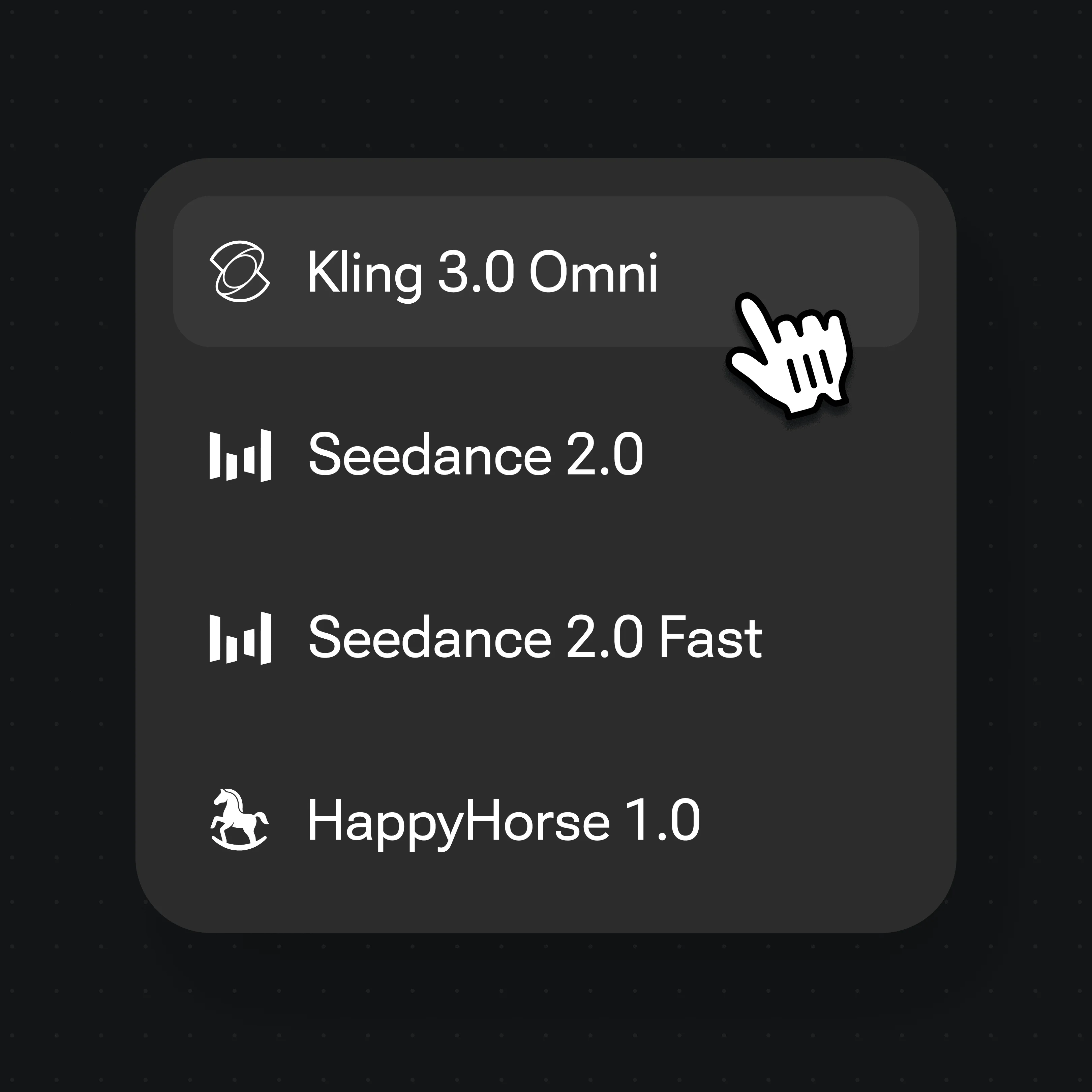
480p and 4 seconds is what the signup credits cover. The 720p and 10-second tiers need a plan — the page says so on the pills.
The clip renders server-side. You can leave the page and come back — video takes about a hundred seconds, not the few seconds an image edit takes.
Our own output. Original characters here — the same motion works on your own authorized photos.
Two people lean in and share a brief, soft kiss — the default 4-second clip.
An embrace rather than a kiss. This page always generates the kiss; other gestures are a prompt away on the video surface.
Every tool on this search page says free, and almost none of them says what that buys. Ours: signing up gives you 20 credits, one clip at the default tier costs 20 credits at list price, so the first video is free and there is no card, no trial period and no plan to cancel. After that you are on per-generation pricing — a free tier is not something we have, and calling the signup credits one would be a lie you would discover on your second clip.
Two things make that promise honest rather than a technicality. Failed generations are refunded automatically, so a photo the model cannot use — or one moderation declines — does not silently eat your one free run. And the tier this page runs is deliberately the cheap one: a stronger model or a longer clip would cost several times as much, which is exactly why the 720p and 10-second pills above are marked as needing a plan instead of quietly charging you for them.
The free clip is watermarked. Watermark-free exports come with a paid plan, and that is the honest trade for something that costs us real compute to make.
Most pages in this category will not tell you what you are actually getting for free, so here are the numbers from our own runs. The free clip is 4 seconds at 480p — 560×752 pixels for a portrait input — as an H.264 file with an audio track, around 1.5MB, and it takes 97 to 107 seconds end to end including queue time. It carries a watermark. That is a real clip you can send to someone, and it is deliberately not a substitute for a finished video.
Four seconds is enough for exactly one gesture. A lean-in and a kiss fits; a kiss followed by a laugh and a look at the camera does not, and asking for it produces a rushed, drifting clip. 480p holds up on a phone screen and in a message thread, and it falls apart on a television. If you need either more room or more resolution, the tier pills above are honest about which ones your signup credits cannot cover, and the full video models are one click away on the video surface.
The input matters more than anything you can change in the settings. A single photo containing both people is the strongest starting point: the model keeps the faces, the clothes, the background and the light it can already see, and only has to invent the motion. Two separate portraits work too — this was measured, not assumed — but the model then has to build a shared scene that never existed, so it invents a background and an outfit, and the likeness of at least one person usually drifts. If the result has to look like the two of them specifically, find a photo of the two of them.
Some inputs simply will not animate well. A face that is small in frame, turned away, in deep shadow or behind sunglasses gives the model too little to work with. Moderation also declines some photos of people outright, which is worth knowing before you spend your one free generation on a difficult picture. When either happens the generation fails and the credits are returned automatically, so a bad attempt costs you time rather than money.
The widget above runs the fast, cheap tier so the first clip can be free. When that ceiling is the problem, the same account gets the full model lineup on the video surface.
| What you get | This page | Renoise video models (Recommended) |
|---|---|---|
| Resolution | 480p | Up to native 4K |
| Clip length | 4 seconds | 4–30 seconds |
| First one free | ✓ | — |
| Watermark | Yes | Watermark-free on paid plans |
| Model choice | Fast tier only | Seedance, Kling, Grok and more |
| Where | This page | The video surface |
A kissing clip puts two faces into an intimate moment, and that is where the line between a keepsake and a harmful fake sits. The line is consent. Animating your own photo, or a partner or friend who agreed, is a personal creative act. Animating a celebrity, an ex who never agreed, or a stranger from the internet is non-consensual synthetic media — do not use this for that, and in most places it is illegal as well as harmful.
We would rather be precise than reassuring here. Face compliance runs automatically on every generation, which is why you are not asked to register anything first — but an automated check is a floor, not permission. It cannot know whether the person in your photo agreed, and nothing on this page can. That judgement is yours, both for making the clip and for sharing it. Ask first; consent covers both.
Your uploads are not a gallery. Nothing is stored until you sign in, generations are private to your account, and the photo you upload is used for that generation rather than added to a public feed.
What happens to an upload on this page.
Picking a file only previews it on your device. Not one byte is stored until you sign in and click generate.
Uploads land in your private library, never a public gallery, and re-running the same photo stores nothing new.
Remove uploads and results from your library whenever you want.
One plan unlocks Seedance, Kling 3.0 Omni and every other video model.
Your first video is free. New accounts get 20 credits at signup and a clip at the default 480p, 4-second tier costs 20 at list price, so the first one is covered. After that each generation is billed per clip — there is no free plan and no trial period, just the credits you were given and then per-generation pricing.
No. One photo with both people in it is the better input — the model keeps the faces, clothes and background it can already see and only invents the motion. Two separate portraits work as well, but then the model has to build a scene that never existed, so it invents a background and an outfit and the likeness drifts more.
You were not charged — failed and cancelled generations refund their credits automatically. The two common causes are moderation declining a photo of people, and a face the model cannot work with: small in frame, turned away, deep shadow, or covered by sunglasses. A clear, front-facing photo of each person is the fix.
Not on this page — the widget deliberately runs the fast 480p tier so the first clip can be free. The 720p and 10-second tiers are shown above with a lock because the signup credits do not cover them. For higher resolution, longer clips or a different model, use the video surface with a plan.
About two minutes. Our own runs took 97 to 107 seconds end to end including queue time — an order of magnitude longer than an image edit, because the clip is rendered frame by frame. You can leave the page while it works.
Not from this page — the widget above runs one fixed instruction, a gentle kiss, which is what lets it be a single button rather than a prompt box. An embrace, a forehead touch or holding hands all work just as well on the video surface, where you describe the moment yourself. Keep whatever you ask for to one simple gesture: four seconds fits a single movement.
No — they are two phrasings of the same thing, and this page is both. Search data treats them as near-variants of one another, which is why the tools you find under either name do the same job: take a photo, produce a short clip of a kiss.
No. Use photos of yourself or people who agreed to appear. Generating intimate clips of public figures, of an ex who never consented, or of strangers is non-consensual synthetic media — harmful, and illegal in most places. Automated face compliance runs on every generation, but it cannot tell whether the person agreed; that part is on you.
Share clips of yourself, or of people who agreed to both the clip and the sharing. Clips made with the signup credits carry a watermark; watermark-free exports come with a paid plan. Never post an intimate clip of someone without their consent.
