Native audio
Sound effects, ambience and dialogue generated in the same pass, synced to the action.
xAI’s video model with native audio — sound, dialogue and motion in one pass, on the Renoise Canvas.
Grok Imagine video is xAI’s video model — its latest is Grok Imagine Video 1.5. Its headline trait is native audio: sound effects, ambience and dialogue are generated in the same pass as the visuals and synced to the action, across text-to-video, image-to-video and reference-to-video.
In Renoise, Grok video runs on the Canvas next to Seedance 2.0 and Kling 3.0 Omni.
Looking for the image side? See Grok Imagine image
xAI’s video model, on the Renoise Canvas. Model specs below are xAI’s.
Sound effects, ambience and dialogue generated in the same pass, synced to the action.
xAI’s 1.5 Fast renders a 6-second 720p clip in roughly 25 seconds.
Generate from a prompt, animate a still, or guide motion with reference images.
Switch between Grok, Seedance 2.0 and Kling 3.0 Omni without leaving the page.
Three steps from idea to a clip with sound.
Write your shot in one sentence, or upload a photo to use as the first frame.
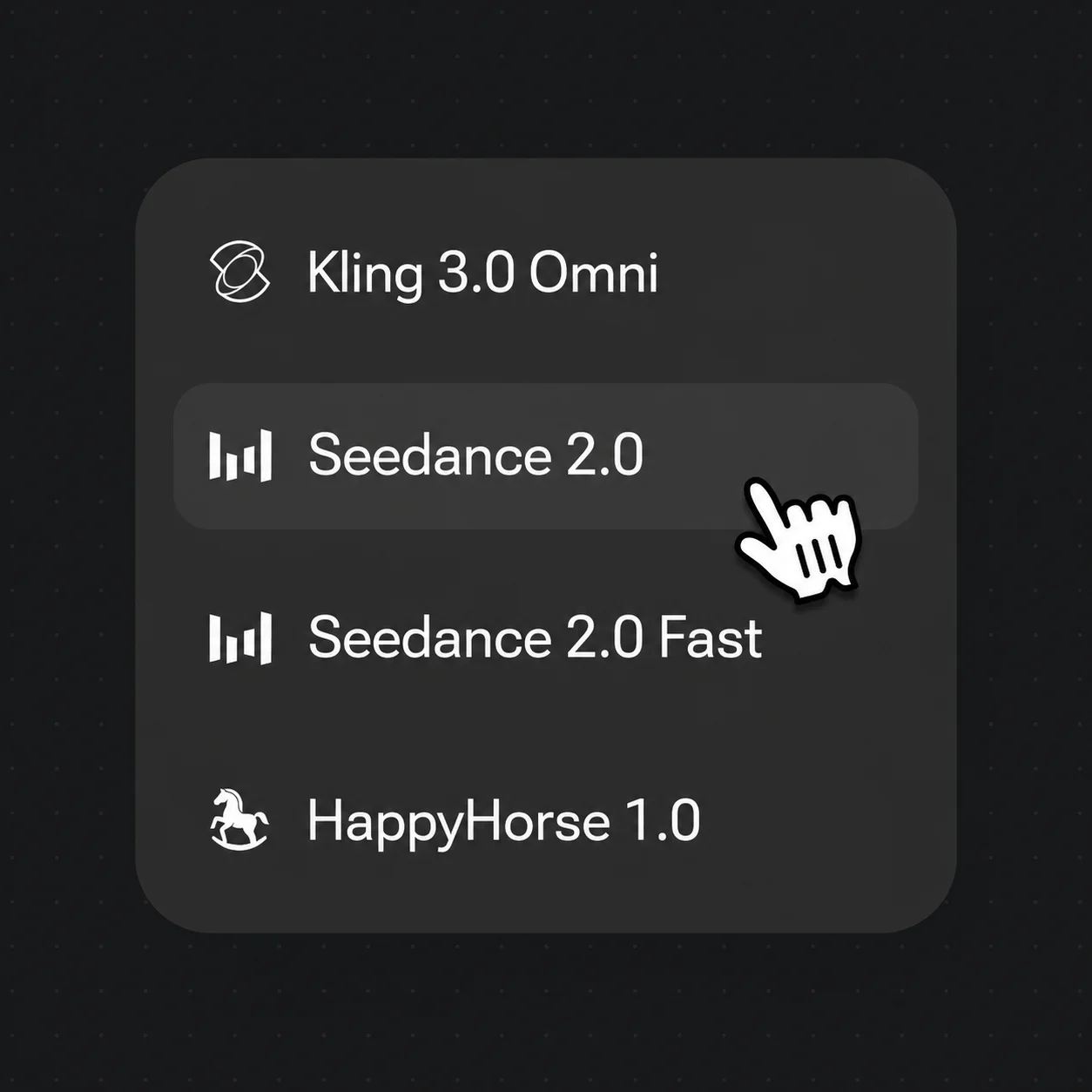
Choose Grok video in the Canvas model selector, then set your desired clip length.
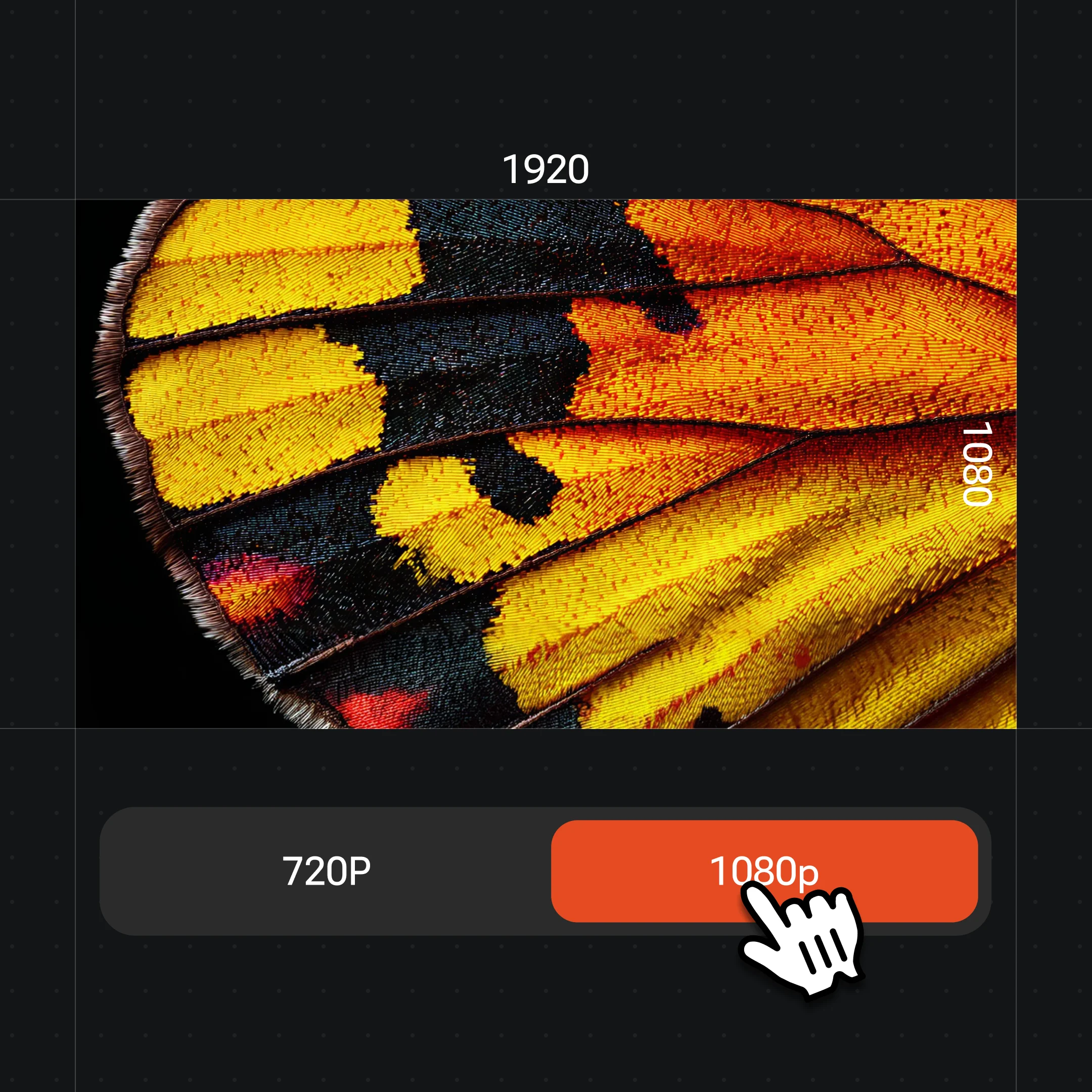
Choose clip length (4–15s) and resolution in Canvas, then hit Generate.
A few of the things you can make with video models on the Renoise Canvas.
Describe the light, the character, the movement — turn words into flowing video.
Upload a photo as the first frame and animate the rest — still to motion in seconds.
Cloth sways, hair flows, characters move — physical accuracy with minimal warping or jitter.
Dialogue, sound effects and ambience generated with the motion — no separate audio pass.
Pick the right engine per shot — all on one Canvas.
| Video model | Grok Video (Recommended) | Seedance 2.0 | Kling 3.0 Omni |
|---|---|---|---|
| Output up to | 720p | 1080p | 1080p |
| Max clip length | 15s | 15s | 15s |
| Lipsync | — | — | ✓ |
| Best for | Native audio + speed | Cinematic T2V & I2V | Lipsync & multi-shot |
Most AI video tools generate silent footage — you still have to source music, sound effects and voiceover separately, then sync them by hand in an editor. Grok Imagine’s draw is that it generates the audio in the same pass as the picture: footsteps land on the step, a door slam hits on the slam, dialogue tracks the mouth. xAI frames its 1.5 models as “better motion, better physics, better audio, at the fastest speeds.”
For short-form and social, that collapses a multi-tool workflow into one prompt, which is why it’s the feature people ask about.
In Renoise, Grok video runs on the same Canvas as Seedance 2.0 for cinematic shots and Kling 3.0 Omni for spoken dialogue and lipsync — so you pick the right engine per shot instead of switching apps.
Native audio, on the Canvas with every other model.
Grok Imagine is developed by xAI. Its latest video model is Grok Imagine Video 1.5, released in June 2026. Renoise integrates it; Renoise does not train video models itself.
Yes. Grok Imagine video produces sound effects, ambience and dialogue in the same pass as the visuals, synced to the action — audio is one of its headline features.
Yes. Grok video runs on the Renoise Canvas alongside Seedance 2.0 and Kling 3.0 Omni — choose it in the model selector and generate.
xAI’s docs list 1–15 second clips at 480p or 720p (no 1080p as of June 2026), in aspect ratios from 16:9 to 9:16.
Per xAI: text-to-video, image-to-video and reference-to-video, plus editing and extending existing clips. Note that an input image and reference images can’t be combined in one request.
Grok video plus Seedance 2.0 (ByteDance) for cinematic text- and image-to-video, Kling 3.0 Omni (Kuaishou) for lipsync and multi-shot work, and HappyHorse 1.0 — all on one Canvas.