From concept to shot board
Lay references and outputs out visually after the initial idea is planned.
Luma is built around its Agent ecosystem. Renoise brings 20 models and non-expiring credits into one account.
For teams that like agent-led ideation but want a separate visual Canvas and model mix.
Lay references and outputs out visually after the initial idea is planned.
Choose a different image or video model as the creative direction changes.
Create stills, clips, and audio without opening separate model accounts.
Unused Renoise credits remain available when the next production starts.
Verified against renoise.ai and lumalabs.ai on August 25, 2026.
Official sources checked August 25, 2026.
| Comparison point | Renoise (Recommended) | Luma |
|---|---|---|
| Luma plans | 20 credits for a follow · Starter $20/mo · 1,200 credits | Plus/Pro/Ultra · $30/$90/$300 |
| Price comparison | Seedance 2.0 family · from $0.05/s | Ray3.2 720p · $0.040–$0.060/s |
| Luma workflow | 20 models · Canvas · Agent · API · plugins | Ray models · Luma Agents · multimodal projects |
| Best for | One balance across multiple models | Luma-native Ray and Agent workflows |
Keep the creative brief, then choose the Renoise model and settings that match the output you need.

Upload the character, product, first frame, last frame, video, or audio references supported by your chosen model.
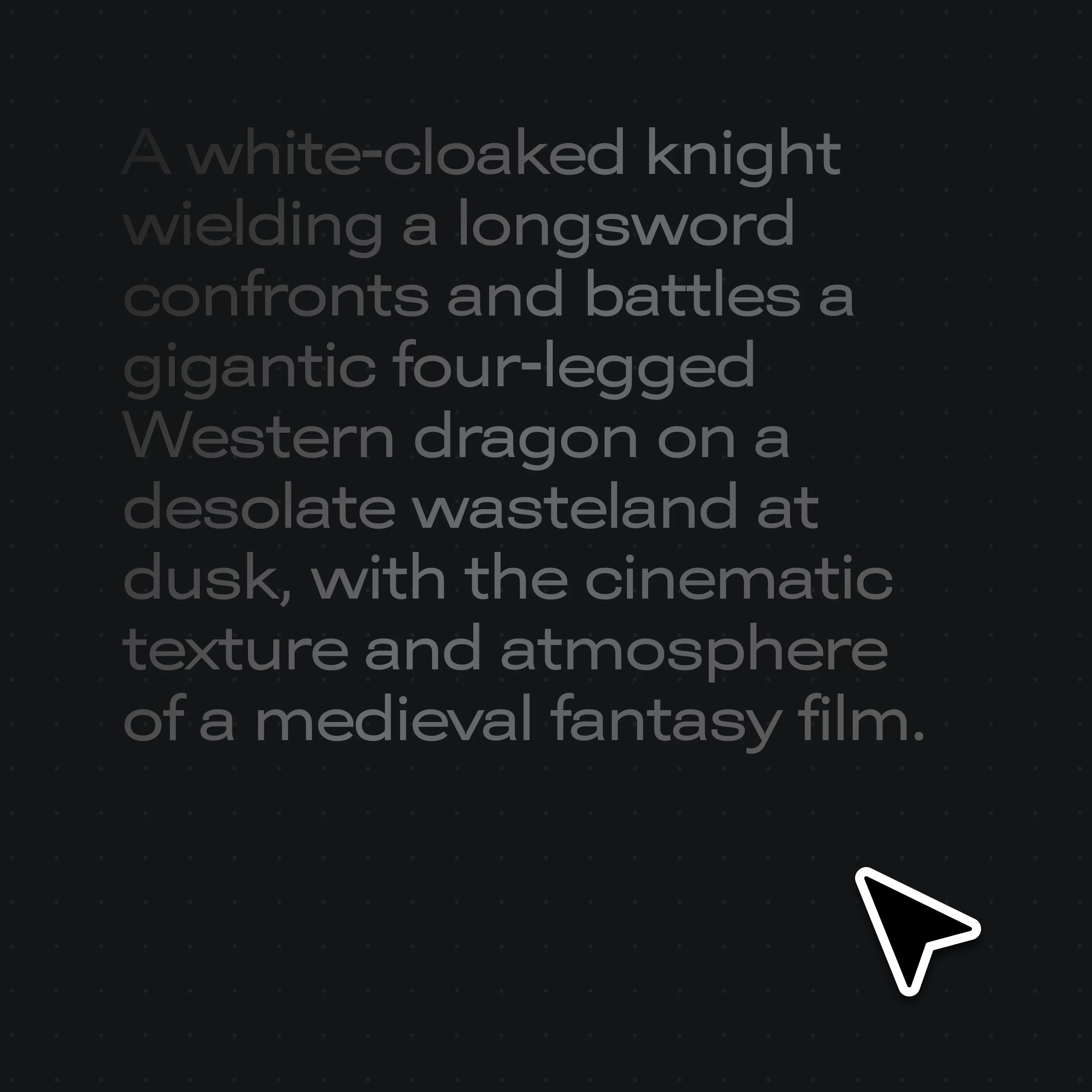
Write the shot, image, motion, framing, and audio requirements in plain language.
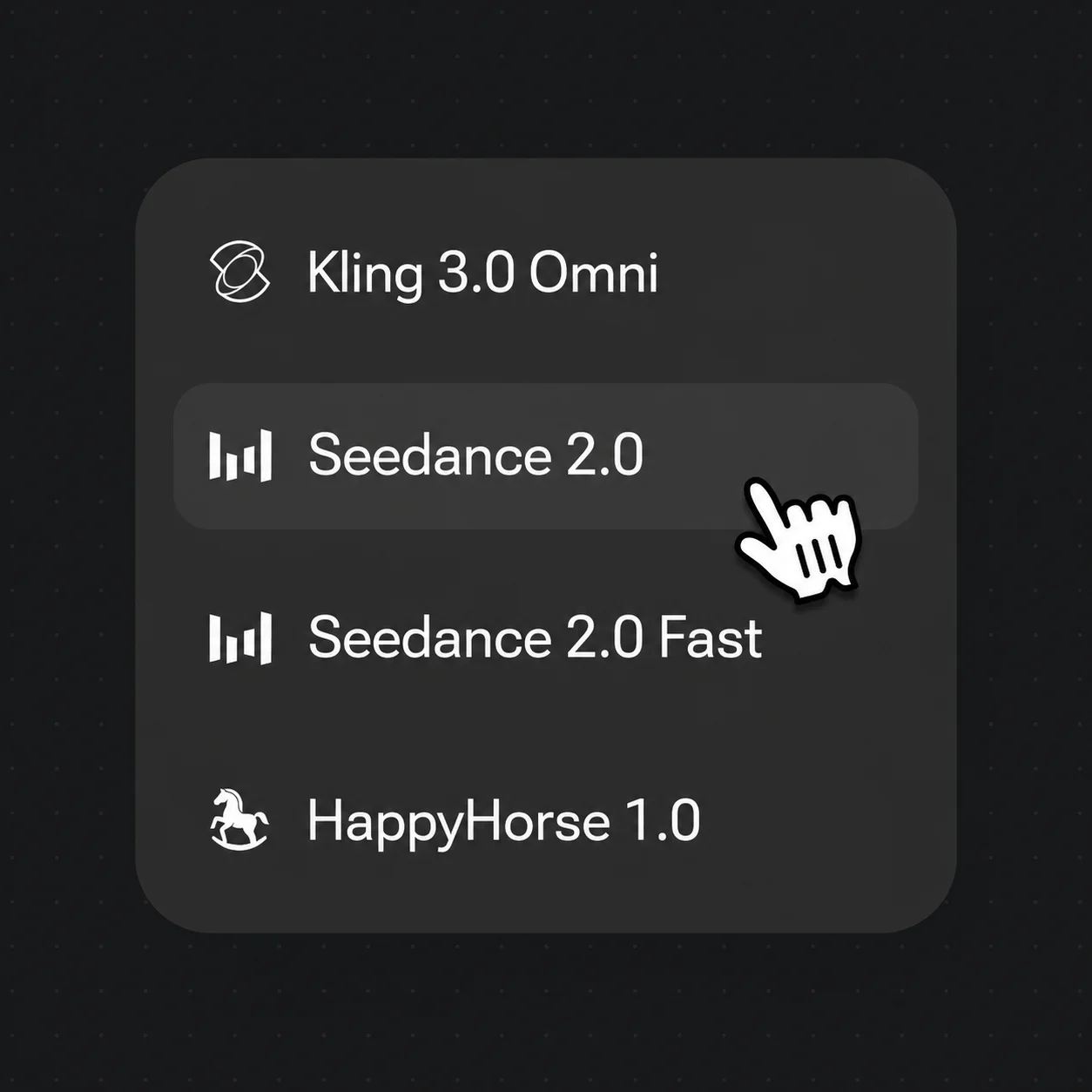
Choose a model and quality level, review the credit estimate, and then submit the generation.
Real Renoise outputs across multiple SOTA models — one Canvas.
A zero-gravity spacewalk rendered with cinematic depth from a single prompt.
Moody night ride with film-grade lighting and atmosphere.
A knight-versus-dragon clash — proof of range across dramatic styles.
The same character across an action sequence, carried by an image reference in the prompt.
Compare Renoise plans for multi-model creation and reusable credits.
For first-time AI content creators
Billed $168 annually
Upgrade PlanSave $72/year
For creators shipping content every week.
Billed $504 annually
Upgrade PlanSave $216/year
For studios and pros producing at commercial scale.
Billed $1680 annually
Upgrade PlanSave $720/year
For first-time AI content creators
Billed monthly
Upgrade PlanFor creators shipping content every week.
Billed monthly
Upgrade PlanFor studios and pros producing at commercial scale.
Billed monthly
Upgrade PlanRenews automatically each year until canceled.
Renews automatically each month until canceled.
Yes, as a workflow alternative. Luma combines Ray generation, Luma Agents, and multimodal creative projects; it is broader than a single-model tool. Renoise instead combines 20 curated video, image, and audio models with Canvas, Agent, API, MCP, and official Renoise agent plugins. The products are not identical.
Plus $30/month for 10,000 credits; Pro $90 for 40,000; Ultra $300 for 150,000. Annual billing advertises up to 20% savings. Ray3.14 720p SDR: $0.060/$0.045/$0.040 per second on Plus/Pro/Ultra; 1080p: $0.240/$0.180/$0.160. These figures use the stated billing scope and should not be treated as a platform-wide price.
Luma is a better fit when you want Luma's Ray models, Luma Agents, multimodal project routing, or a Luma-native creative workflow. Renoise is a better fit when the multi-model workspace matters more.
No. Renoise does not run Luma. It is an alternative workflow using its own integrated models; do not expect Luma project files, subscriptions, or credits to transfer.
Yes. Seedance 2.0 standard supports native 4K at 100 credits per second. Seedance 2.5 tops out at 1080p. Renoise also offers fixed-cost Upscale Video to 4K; upscaling is not the same as native 4K generation.
Yes. Follow us on X and YouTube and 20 credits land on your account immediately — you can generate with them without subscribing.
Pick a model, paste your prompt, and generate from a Canvas or your editor.